
This post contains affiliate links. As an Amazon Associate I earn from qualifying purchases.
I like keeping things simple in my kitchen, and that includes the oils. These two bottles are the ones I reach for most, and knowing which one to grab makes weeknight cooking one less thing to think about.
If you’ve cleared the generic vegetable oil out of your pantry, you’ve probably narrowed it down to two bottles: extra virgin olive oil and avocado oil. Both are great to have around. The trick is knowing which one to use for each job. Here’s a simple guide.
Quick picks
The short answer
- Extra virgin olive oil is for flavor: dressings, drizzling, dips, and low to medium heat cooking.
- Refined avocado oil is for heat: searing, high-heat roasting, and stir-frying, when you want a neutral taste.
Extra virgin olive oil
What it is
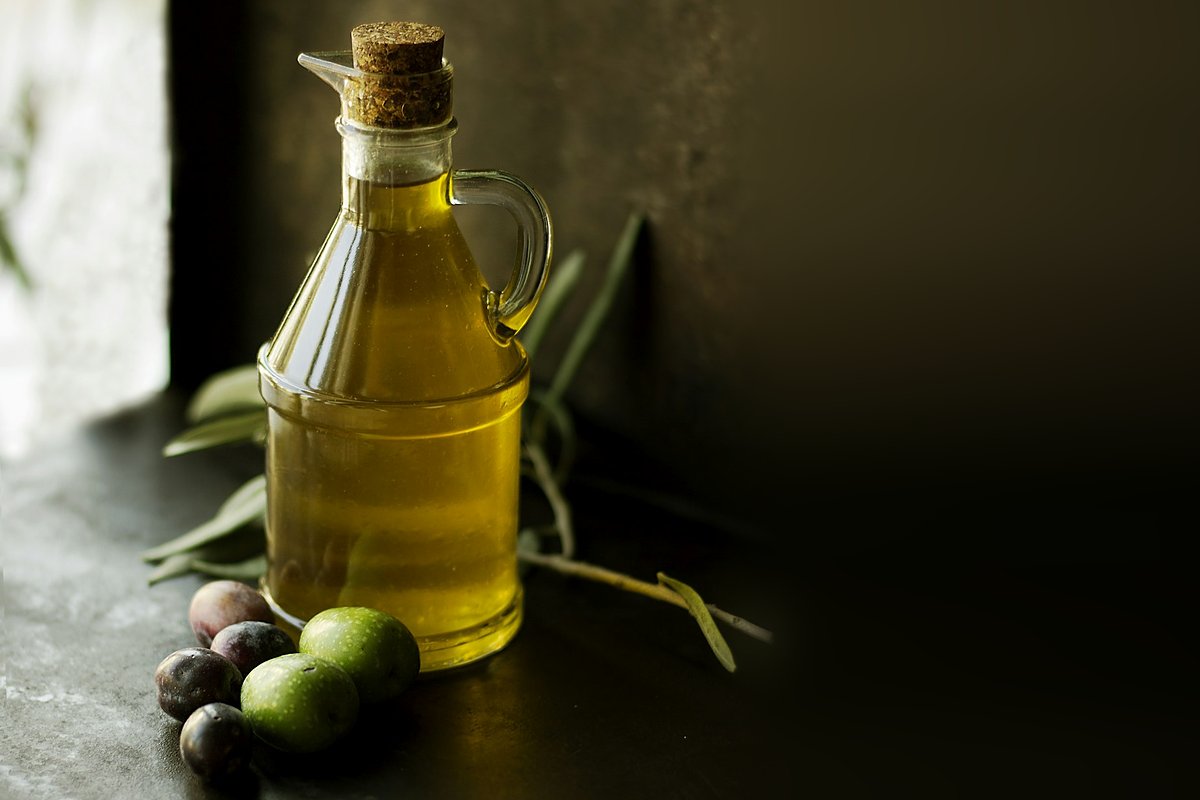
Extra virgin olive oil (EVOO) is pressed from olives without chemical refining. It keeps the fruity, peppery flavor of the olives, along with naturally occurring compounds like polyphenols. Olive oil is a cornerstone of the Mediterranean way of eating.
When to use it
- Salad dressings and vinaigrettes
- Drizzling over soups, grain bowls, and roasted vegetables
- Sautéing vegetables, eggs, and fish over medium heat
- Dips, pesto, and marinades
- Roasting at moderate oven temperatures, around 400°F
What to look for
Choose a dark bottle or tin, check the harvest or best-by date, and store it away from heat and light. Buy a size you’ll use within a couple of months of opening.
Avocado oil
What it is
Avocado oil is pressed from avocado flesh. Refined avocado oil is filtered, so it has a very mild flavor and a high smoke point. Unrefined avocado oil tastes more like avocado and is better for low-heat uses.
When to use it
- Searing chicken, steak, or salmon in a hot cast iron skillet
- Roasting vegetables at 425°F and above on a sheet pan
- Stir-fries
- Baking, when you want a neutral oil
- Homemade mayo and dressings where you don’t want an olive flavor
Side-by-side guide
- Flavor: olive oil is fruity and peppery. Refined avocado oil is neutral.
- Best heat range: olive oil for low to medium-high. Refined avocado oil for medium to high.
- Best uses: olive oil for dressings, finishing, and sautés. Avocado oil for searing, high-heat roasting, and stir-fries.
- Storage: both keep best in a cool, dark cupboard with the cap tight.
A note on smoke points
Smoke point is the temperature where an oil starts to smoke and break down. Published numbers vary a lot by brand and quality, so use them as a rough guide. Practically, if your pan is smoking before the food goes in, it’s too hot for the oil. Turn the heat down, or switch to avocado oil for high-heat jobs.
How we use both in one meal
A sheet pan dinner is a great example. Toss the vegetables and chicken in avocado oil so they can roast hot and get crispy edges. Then finish the pan with a drizzle of good extra virgin olive oil, lemon, and fresh herbs for flavor. You get the best of both. Try it in One-Pan Lemon Herb Chicken and Veggies.
Do you need both?
Not necessarily. If you mostly cook at medium heat and love dressings, a good olive oil covers most of your needs. If you sear and roast hot often, adding avocado oil makes things easier. Two good bottles can replace a whole shelf of specialty oils. That’s exactly how it works in my kitchen: one bottle for high heat, one for flavor, and no clutter.
Shop this post
- California Olive Ranch Everyday Extra Virgin Olive Oil (on Amazon)
- Chosen Foods Refined Avocado Oil (on Amazon)
- Nordic Ware Naturals Half Sheet Pan (on Amazon)
- Lodge Pre-Seasoned Cast Iron Skillet, 10.25 Inch (on Amazon)